

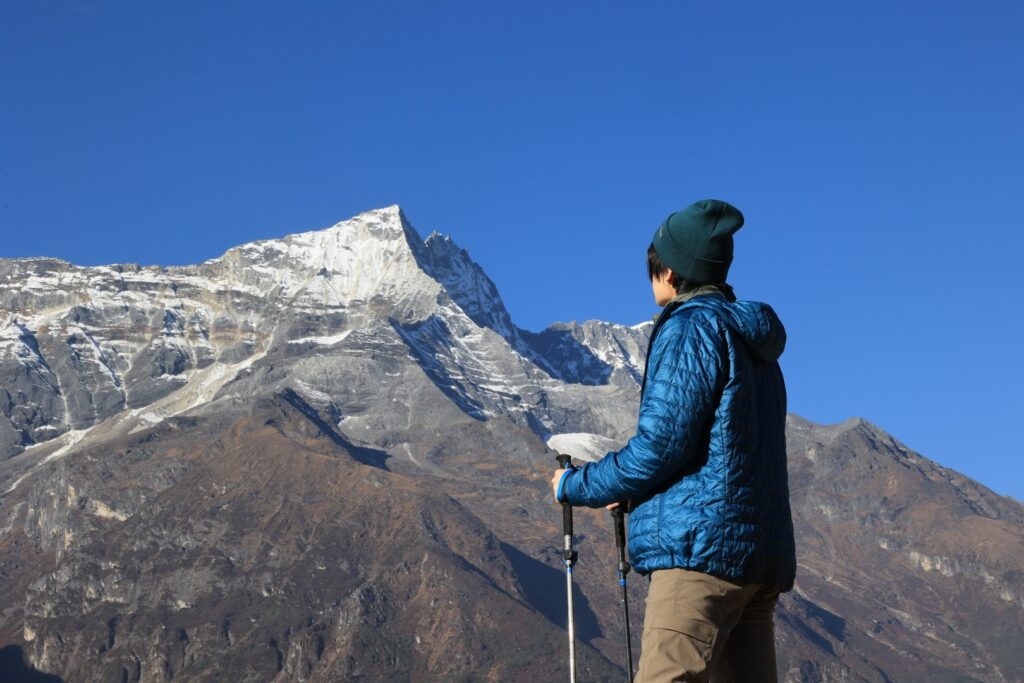
The Everest Base Camp trek is, without a doubt, one of the most iconic treks, taking you amidst majestic mountains, including Mount Everest. It is a dream for every trekking enthusiast to reach EBC at least once in their lifetime.
The trek to Everest Base Camp rewards you with stunning scenery, diverse landscapes, rich Sherpa culture, and an opportunity to get a close-up view of the highest mountain on Earth.
However, every reward comes with challenges, which require proper planning and preparation. The trek takes you to high-altitude regions where temperatures drop below zero and oxygen levels are low.
Primarily, trekkers should be physically fit, as the journey demands 6–8 hours of daily walking on rugged, undulating terrain.
You don’t need to be an experienced trekker, professional athlete, or mountaineer. All you need is a good level of physical and mental fitness. This is essential to complete the EBC trek safely and enjoyably.
Here’s a comprehensive and well-structured guide outlining the fitness
Overall Physical Fitness
EBC lies in the remote northeastern region of Nepal, in the Khumbu Valley within the protected area of Sagarmatha National Park. The landscape is challenging due to its high-altitude terrain.
Therefore, a solid fitness foundation is essential. Trekkers should be fit and healthy, as the journey requires 5–7 hours of daily walking over hilly and rugged terrain while carrying a 5–7 kg backpack.
Additionally, the trail involves daily altitude gains of 400 to 800 meters, along with frequent ascents and descents. This requires endurance, stamina, and overall physical fitness.
Regular aerobic exercise and short hikes in your local area can be helpful when starting out. This prepares your body to handle long trekking days, continuous walking, cold temperatures, and changing weather conditions.
Cardiovascular Endurance
Reaching EBC involves trekking through rugged uphill paths, high altitudes, and physically demanding sections.
Above 3,000 meters, the air becomes thinner, making breathing more difficult. Understanding your physical capacity is important for this adventure.
Engage in cardiovascular activities such as running, swimming, stair climbing, cycling, and brisk walking. These exercises build a strong fitness foundation and help reduce the risk of altitude-related issues.
Start training at least two months before your trek, exercising 3–4 times a week for about an hour each session. Cardio training helps your body use oxygen more efficiently and reduces fatigue at high altitudes.
It also improves lung and heart capacity, making breathing easier. The better your cardiovascular endurance, the more comfortable and enjoyable your trek will be.
Strength and Conditioning
Trekkers need to walk 5–7 hours daily while ascending and descending trails, often carrying a 7–8 kg backpack. Muscle strength plays a key role here.
Strong muscles and a stable core are essential for the EBC trek. Strength training improves performance, stability, and balance throughout the journey.
Your legs bear most of the workload, so focus on building leg strength to handle long walking days and reduce soreness.
Include exercises such as step-ups, squats, wall sits, lunges, and calf raises in your routine. Add planks and bridges to strengthen your core and back muscles.
These exercises support posture, improve balance, and help prevent injuries on rough trails. Training 4–5 times per week for two months before your trek will significantly enhance your endurance and performance.
Altitude Acclimatization and Lung Capacity
The trek reaches Everest Base Camp at an elevation of 5,364 meters, while oxygen levels begin to decrease from around 3,000 meters. This increases the risk of altitude sickness, which can affect anyone regardless of fitness level.
Therefore, acclimatization is crucial. Include at least two rest days in your itinerary, preferably in Namche Bazaar and Dingboche. Ascend gradually and walk at your own pace.
Practicing yoga, pranayama, and deep breathing exercises can help improve lung capacity and oxygen efficiency.
Drink at least 3–4 liters of water daily to stay hydrated. Walk slowly, rest frequently, and listen to your body to minimize the risk of altitude sickness.
Flexibility and Balance
Flexibility is often overlooked but is an important part of a complete training plan. It helps prevent injuries and improves overall mobility.
Spend 5–10 minutes daily stretching, focusing on the lower back, glutes, calves, hamstrings, and hips. This helps muscle recovery and maintains joint mobility, especially after long trekking days.
Incorporate dynamic stretching, yoga, or Pilates into your routine to improve flexibility, coordination, and mental focus. Good balance is also essential for navigating uneven and rugged trails safely.
Mental Preparedness
Mental strength is just as important as physical fitness. The two are closely connected and equally important for a successful trek.
During the EBC trek, you may face challenges such as cold temperatures, unpredictable weather, long walking days, limited facilities, and the risk of altitude sickness.
Preparing mentally will help you stay positive, patient, and confident throughout the journey.
Practice mindfulness, meditation, and breathing exercises to relax your mind and body. Set realistic expectations and be mentally prepared for physically demanding days on the trail.
Nutrition and Hydration
Proper nutrition is essential when training for and undertaking the EBC trek. A well-balanced, high-calorie diet helps maintain energy levels and build stamina.
Include foods rich in complex carbohydrates, healthy fats, proteins, and essential vitamins.
Drink at least 3–4 liters of water daily to stay hydrated. Dehydration can increase the risk of altitude sickness.
Avoid alcohol and limit caffeine intake, as both can contribute to dehydration. It is also advisable to avoid smoking.
Training Duration and Plan
Having a structured training plan is essential to prepare both physically and mentally for the trek.
While fitness levels vary by individual, proper preparation will make your journey safer and more enjoyable. Include cardio, strength training, and weekend hikes in your routine.
Gradually increase intensity and duration each week. Practicing short treks or day hikes with a weighted backpack helps simulate real trekking conditions and prepares your body effectively.
Consistent training and proper planning will build your fitness and confidence for the Everest Base Camp trek.
Conclusion
The Everest Base Camp trek requires a balanced level of fitness, including endurance, strength, flexibility, and mental resilience.
This trek is suitable for people of various age groups, including beginners and families, provided they train and prepare adequately.
Remember, the Everest Base Camp trek is not just a journey through the Himalayas—it is a test of patience, endurance, perseverance, and self-discovery. Train consistently, stay determined, and you’ll be ready to complete this remarkable adventure successfully.
